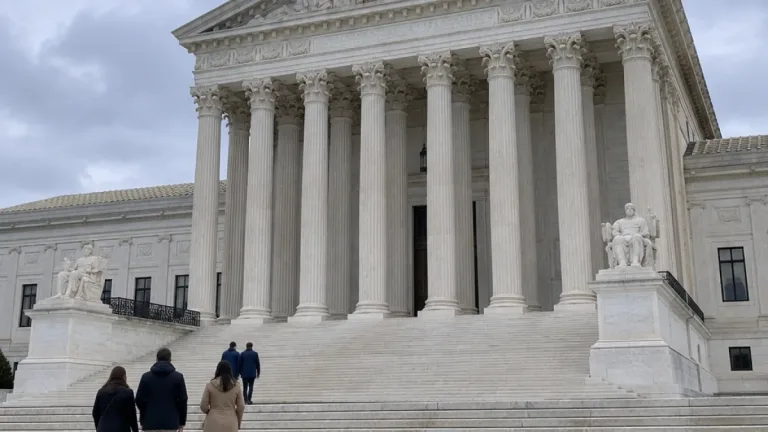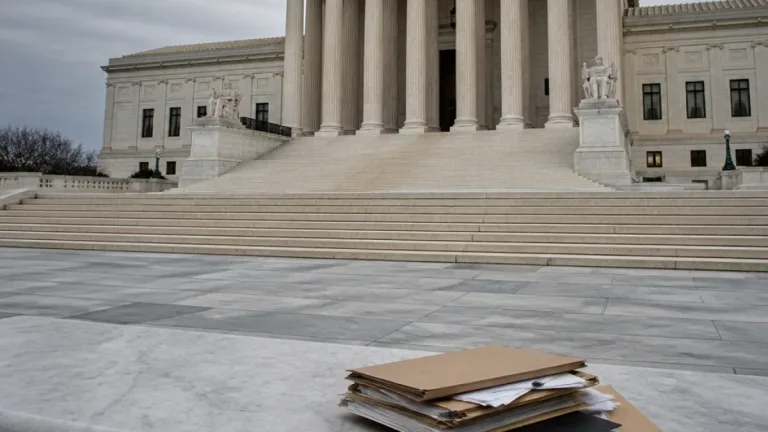
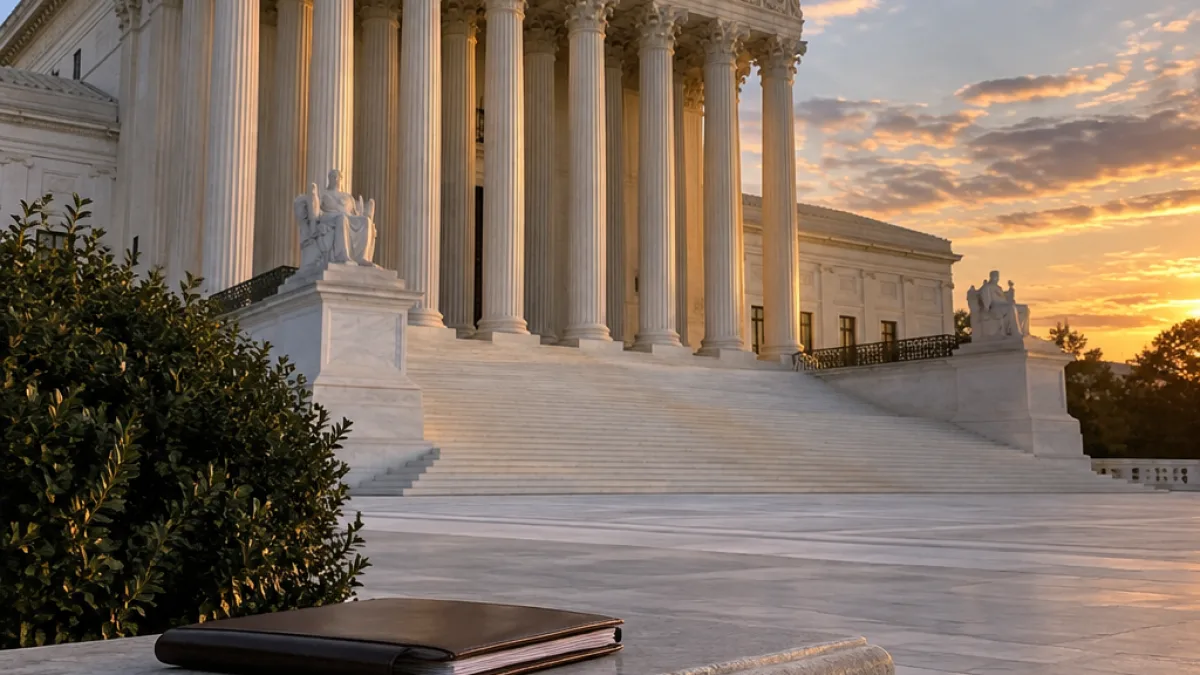
The Supreme Court on Monday rejected the Trump administration’s request to intervene in a dispute over more than 20,000 California ballots that President Donald Trump’s administration said were cast by noncitizens.
The court denied an application for an injunction pending appeal in an unsigned order. The decision leaves in place lower-court rulings that rejected the administration’s arguments about California’s voter rolls.
“The application for injunction pending appeal presented to Justice Kagan and by her referred to the Court is denied.”
The administration sued California in mid-October, arguing that it had identified more than 20,000 noncitizens on the state’s voter rolls. The case came as states prepared for the Nov. 3 midterm elections, which include races for Congress and governor in New York and other states.
Lower courts found problems with the lists
Judges who reviewed the administration’s claims found factual errors in the lists used to identify alleged noncitizens. Those judges also said the lists could result in eligible voters being removed from the rolls or otherwise prevented from casting ballots.
One judge cited a separate episode in which the administration said it had verified more than 100 people in Nevada as noncitizens. Nevada officials demonstrated that those people were citizens, according to the court proceedings described in the case.
- The administration’s lawsuit focused on more than 20,000 California voters identified through voter-roll data.
- Lower courts rejected the administration’s claims after finding errors in the lists.
- The Supreme Court’s unsigned order leaves those lower-court decisions in effect.
Election authority remains divided
The dispute also concerns which level of government has authority over elections. Election administration largely rests with the states and Congress, rather than with the president, under the constitutional framework involved in the case.
The Supreme Court has frequently sided with Trump in other matters during his second term, but it has also rejected administration positions in cases involving voting access. The White House and the Justice Department did not respond to a request for comment on Monday’s decision.