The United Nations has begun winding down its 35-year peacekeeping mission in Western Sahara after the Security Council failed to renew the operation’s mandate, ending an international presence that had monitored the disputed territory since 1991.
Morocco, which administers nearly all of Western Sahara, welcomed the decision. The Algeria-backed Polisario Front, which seeks an independent state in the territory, objected. Algeria’s Foreign Ministry said it regretted the mandate’s nonrenewal and criticized what it described as bias in a U.S.-drafted resolution.
Morocco’s royal palace called the decision an “instrument to internationalise the dispute,” while the Polisario Front described it as “an unacceptable decision.” The competing reactions reflect the disagreement over Western Sahara’s political status, which has remained unresolved since Spain left the territory in 1976.
“This 1 November 2026 marks the start of the liquidation period. A smaller team reporting to the United Nations’ Department of Operational Support will oversee the orderly transportation of assets belonging to troop-contributing countries to their respective nations, and the appropriate disposal of equipment belonging to the United Nations.” — Stéphane Dujarric, spokesperson for the U.N. secretary-general
How the mandate ended
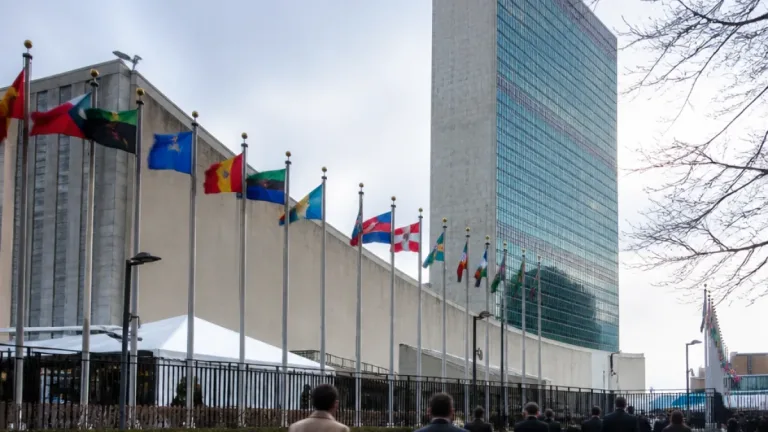
The Security Council’s breakdown came during a meeting Friday. Russia vetoed a U.S. draft resolution that would have supported Morocco’s demand for sovereignty over Western Sahara and ended the peacekeeping mission the following year. A separate Russian resolution seeking to extend the mission was then voted down, producing an abrupt end to the force’s mandate.
The operation had been renewed repeatedly since it was created in 1991. Its closing now moves into a liquidation phase, with a smaller U.N. team responsible for handling equipment and assets belonging to countries that supplied troops and for disposing of U.N. property.
- Morocco controls nearly all of the disputed territory.
- The Polisario Front seeks an independent state and maintains influence in a narrow area known as the “free zone.”
- Western Sahara is known for its mineral and fishing resources.
The territory lies along the Atlantic coast of northwest Africa and is claimed by Morocco. The Polisario Front has pursued independence since Spain’s departure, while Morocco has maintained control over most of the area. The United Nations has classified Western Sahara as disputed territory.
The end of the mission follows years of extensions rather than a political settlement. The Security Council’s failed votes leave the U.N. process in a transition as the mission’s remaining assets are removed or disposed of and the dispute between Morocco and the Polisario Front continues.