The University of Wisconsin–Madison has approved a plan to add roughly 1,700 student beds through a privately developed residence hall on state land, a move officials say is intended to ease severe pressure on campus housing.
What the plan would do
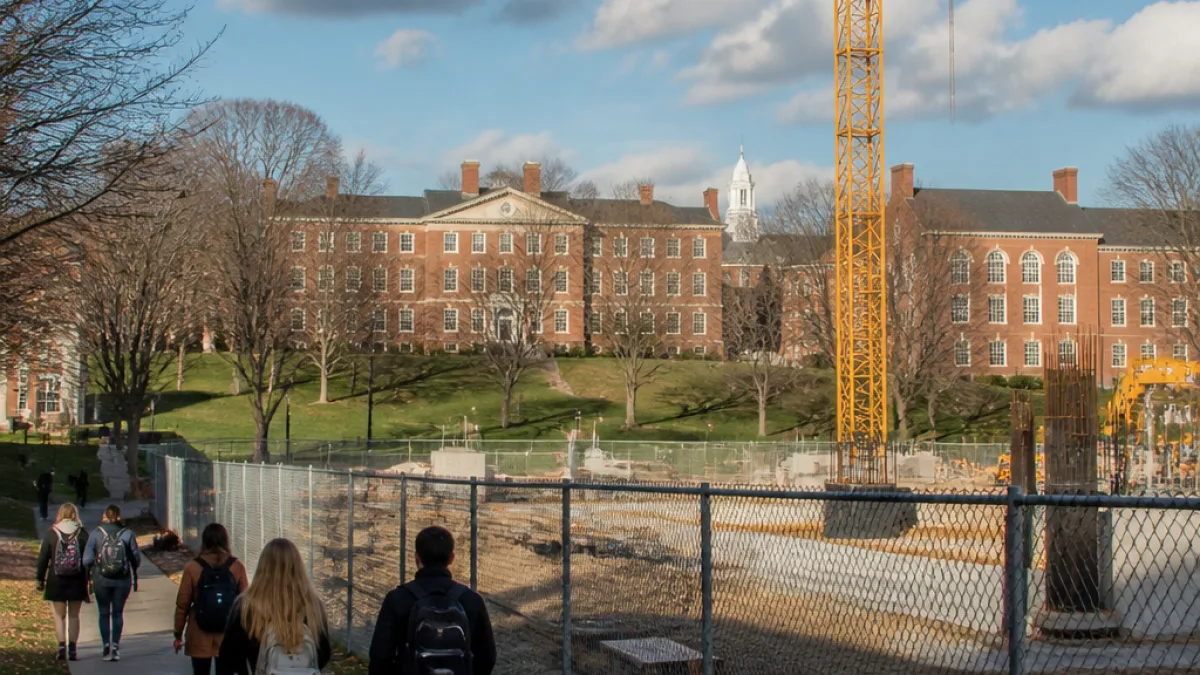
The project, to be built by developer PRG Badger Properties, is estimated to cost about $338 million and would start housing students in fall 2029 if the university and state clear remaining approvals. The developer would operate the building under a private ownership model on state land, and the state would have an option to purchase the property after 10 years at fair‑market value.
The proposal was approved by the university’s Board of Regents and the State Building Commission and now must be approved by the Legislature’s Joint Finance Committee before moving forward.
Why university leaders say it is needed
University officials say campus housing has not kept pace with enrollment growth. Associate Vice Chancellor for University Housing Jeff Novak said, “Housing capacity has not kept up”.” The school reports that the last residence hall opened in 2013 and since then the campus has added about 2,000 freshmen and 8,000 total undergraduate students.
- The university currently reports 93% of freshmen live in residence halls.
- Existing dormitories are operating at about 115% of their designed capacity, with students sometimes assigned three to a room and using spaces intended for study.
Costs and financing
The private development model would require nearly $30 million in annual rent, according to the university, and university officials say no taxpayer funds would be used and the plan would not affect tuition. The project would replace Merit Hall, a small dorm of 72 beds slated for demolition to make way for the new facility.
Interim Chancellor Eric Wilcots described the approach as a change in strategy for campus housing, saying, “We are walking down a new map and trying something different,” reflecting a nationwide trend of using private financing to increase student housing without state capital dollars.
Next steps
The plan still requires approval from the Legislature’s Joint Finance Committee. If approved, the privately owned residence hall would be constructed on state land and begin accepting students in the fall 2029 term.