Morocco is confronting a widespread student housing crisis that the government’s budget documents quantify as a shortfall of nearly 400,000 beds for higher education students, according to reporting by Hespress. The gap has driven students into expensive private rentals, longer commutes and public protests over access to university residences.
What the budget documents say
Documents accompanying the 2027 Finance Bill estimate total student housing capacity at about 130,000 beds, including roughly 60,000 public sector beds, while the nation’s higher education population is about 1.26 million students. The reported shortfall — framed as potential demand rather than the number of students officially denied housing — has prompted the government to seek private investment to expand capacity.
- Public university residences provided 56,226 beds across 25 facilities in the 2025–26 academic year, Hespress reported.
- Private investment solicitations are expected to deliver about 11,000 additional beds, covering less than 3% of the estimated deficit.
- Four residences totaling 5,426 beds are scheduled for completion in 2027; another 4,500 beds are planned for 2028.
Student impact and local reports
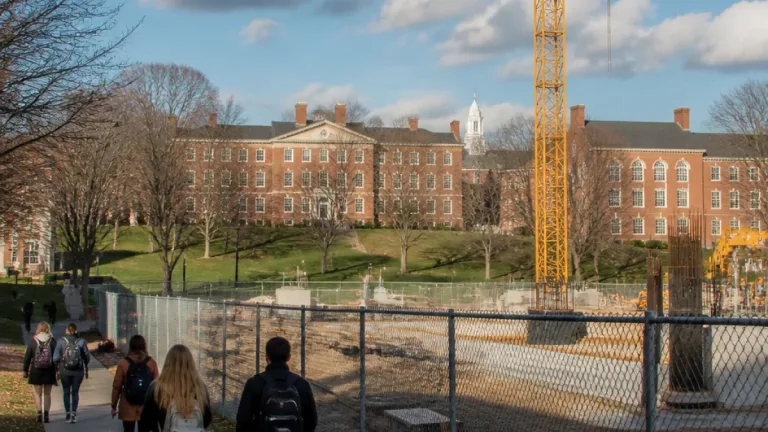
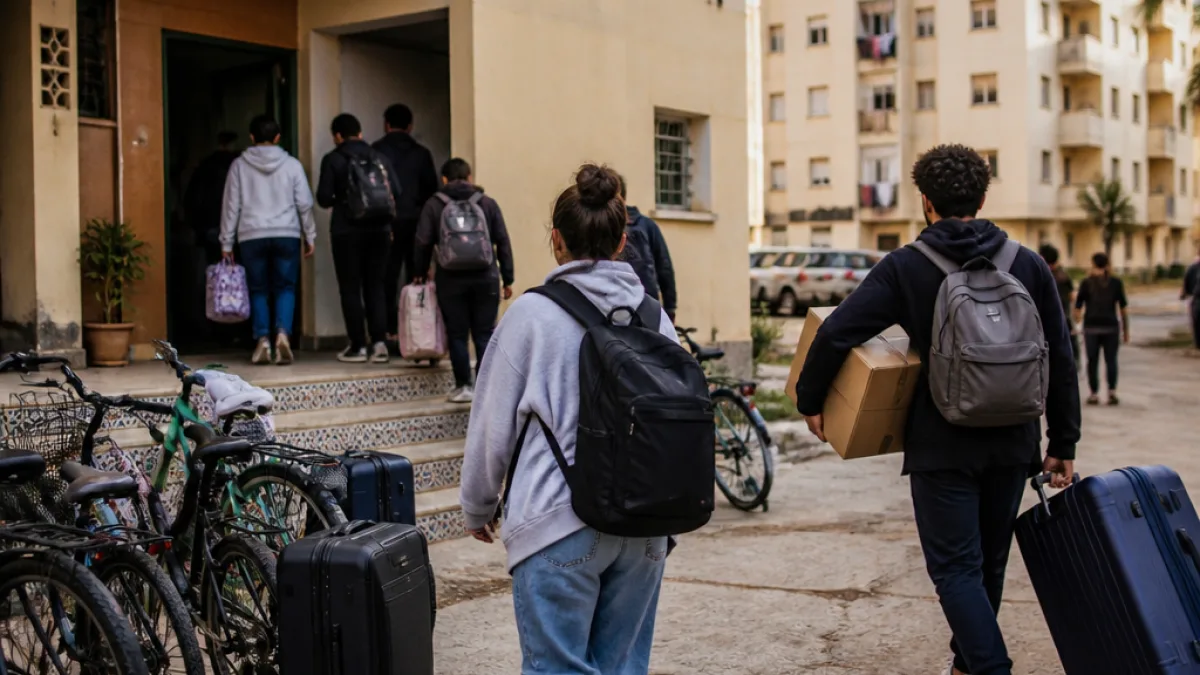
The shortage has had visible consequences on campuses. Students at Mohammed V University in Rabat staged an overnight sit‑in on Oct. 6 outside the Souissi 1 residence to protest delays in reopening after the academic year began. Some students told reporters they had slept in bus stations or on the street, moved home and missed classes, or accepted daily commutes of 45 to 60 minutes to find more affordable housing.
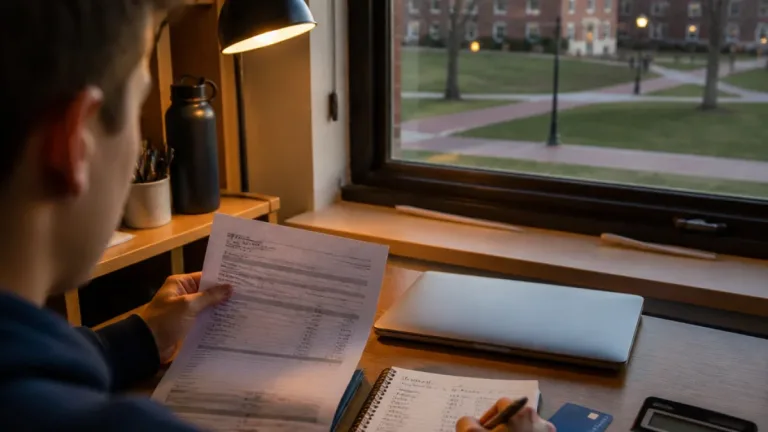
Private rental costs are rising. A property adviser cited by Hespress said small studios in Rabat cost between MAD 3,500 and 4,000 per month, with rents up an estimated 15%–20%. That increase has pushed many students farther from campus to seek lower rents.
Government response
Higher Education Minister Azzedine El Midaoui acknowledged the shortfall in a parliamentary appearance in June and urged greater participation from local authorities and private investors, arguing the state cannot meet demand alone. The budget’s investment solicitations and the planned residences for 2027 and 2028 represent the government’s initial responses.
Hespress framed the nearly 400,000 figure as an estimated potential demand rather than an exact count of students denied housing. The ministry and the finance documents cited by Hespress propose public‑private partnerships to increase capacity but, according to the reporting, planned new capacity in the near term would satisfy only a small fraction of the estimated need.
The reported shortage, the rising cost of private rentals and campus protests illustrate how housing pressures can affect students’ education and daily life, particularly in Morocco’s largest cities.