The contest to choose the next United Nations secretary-general is becoming more difficult as disagreements among the organization’s most powerful members shape the field of candidates seeking to replace António Guterres.
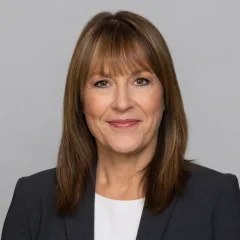
Rebeca Grynspan of Costa Rica, who leads the U.N. Conference on Trade and Development, was the top candidate in the latest informal poll conducted by the Security Council, according to officials familiar with the selection process. Her candidacy faces possible resistance from the United States and Russia, both permanent council members with veto power.
The leading candidates
Grynspan’s work on Israel’s actions in Gaza and the occupied West Bank has drawn attention as governments consider whether to support her. Her criticism of Russia’s position on the Black Sea grain deal has also become part of the debate over her candidacy.
Rafael Grossi of Argentina, the director-general of the International Atomic Energy Agency, finished second in the latest informal council poll. Other candidates include Guyana’s Carolyn Rodrigues Birkett, the United Arab Emirates’ Lana Nusseibeh and Türkiye’s Feridun Sinirlioglu.
- Rebeca Grynspan: secretary-general of the U.N. Conference on Trade and Development and the leading candidate in the latest informal poll.
- Rafael Grossi: director-general of the International Atomic Energy Agency and the second-place candidate in that poll.
- Lana Nusseibeh: an Emirati candidate reported to have support from Washington and Moscow but facing questions about whether China would back her.
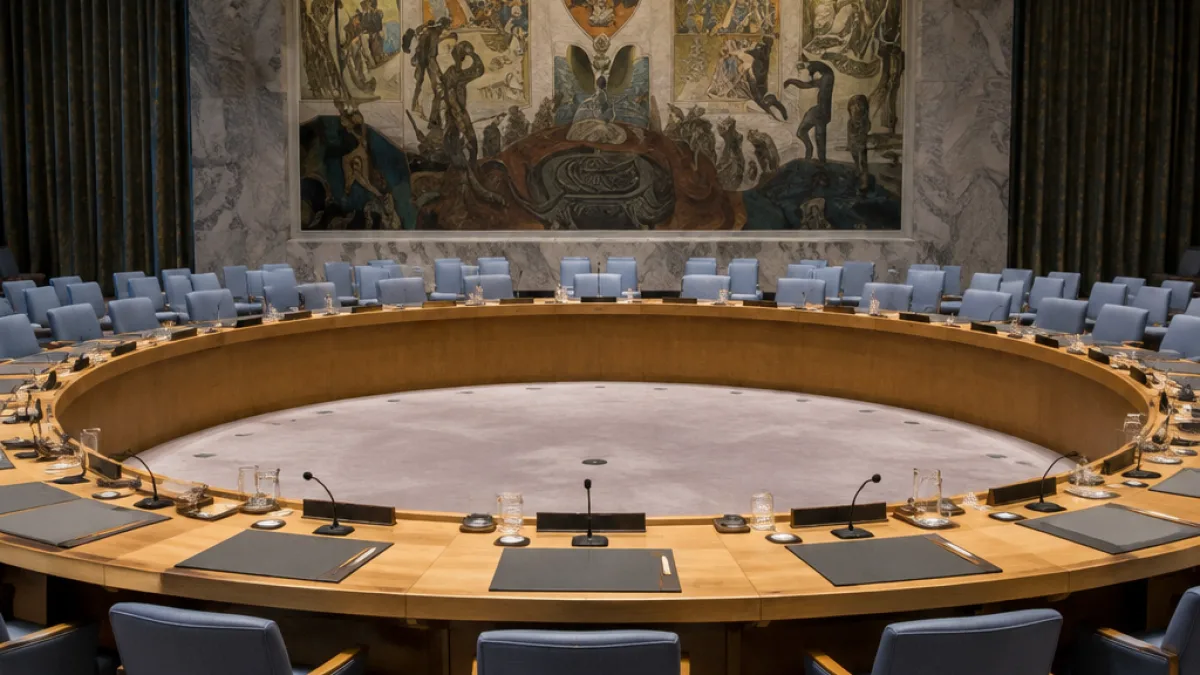
The selection requires a nominee to receive at least nine votes from the Security Council’s 15 members. The nominee also must avoid a veto from any of the council’s five permanent members: the United States, Russia, China, the United Kingdom and France.
After the council recommends a candidate, the U.N. General Assembly, which includes 193 member states, must approve the appointment. The process therefore requires both a council agreement among major powers and broader approval by the organization’s membership.
A contested transition
Analysts cited in coverage of the race said the competition reflects wider disputes over the future direction of the U.N. and the influence of its major powers. The divisions could also make it harder for the incoming secretary-general to have substantial time to prepare before taking office.
Guterres’ term is approaching its end, and the U.N. Charter does not establish an automatic interim replacement if no successor has been selected by then. In that situation, the Security Council and other U.N. bodies would need to agree on arrangements to keep the organization’s leadership and operations functioning during the transition.