Holiday travel and gatherings can create extra planning for people who take GLP-1 medications such as Ozempic and Mounjaro. Physicians who spoke with Prevention said medication schedules, storage requirements and larger meals are among the issues users should consider before traveling or attending celebrations.
GLP-1 medications can affect appetite and how someone feels after eating. Suma Gondi, an assistant professor in the division of endocrinology, diabetes and bone disease at Mount Sinai, said holiday events can be difficult for people using the drugs because food is often central to celebrations.
“The holidays can be a difficult time to navigate for many on GLP-1s as there is such a strong emphasis on food at events,” Gondi said.
Planning for travel
People who expect to take a dose while traveling should bring the medication rather than leave it behind. Gondi advised users to arrange refills ahead of time so they have enough medication for the trip. She also said bringing an additional dose may be useful if a medication is lost or misplaced.
- Bring a scheduled dose when travel overlaps with the dosing date.
- Arrange refills before leaving.
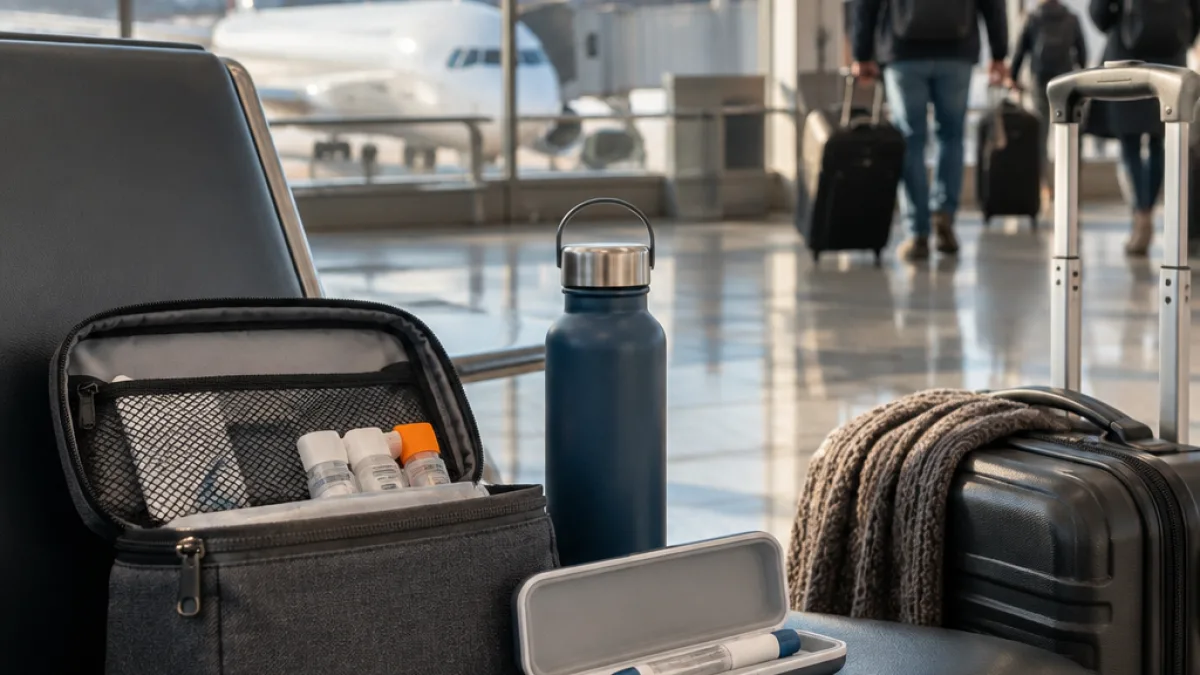
- For injectable medication, maintain the required refrigeration while traveling.
- When flying, keep the medication in a carry-on bag or with you.
The physicians emphasized that travel plans should account for the medication’s storage needs. Injectable GLP-1 medication must remain refrigerated while it is being transported, according to the guidance provided to Prevention. People flying should keep it in their carry-on or on their person rather than placing it in checked luggage.
Carrying documentation can also help during travel. Gondi said users may find it helpful to bring a copy of their prescription or a doctor’s note. The physicians’ guidance focused on maintaining the medication schedule and ensuring that the treatment remains available throughout the trip.
Managing holiday meals
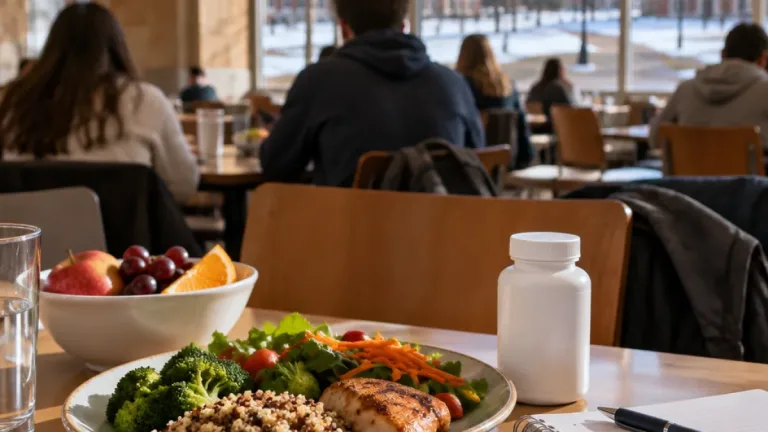
Celebration meals can also feel different for people taking GLP-1 medications. The drugs may affect how much food someone wants to put on a plate and how they feel after eating more than usual. The physicians advised users to consider meal portions and the possibility of side effects when approaching unusually large meals.
Prevention identified David Cummings, a professor of medicine at the University of Washington School of Medicine and an endocrinologist with the VA Puget Sound Healthcare System, along with Robyn Liu, a Portland, Oregon, family physician and member of the American Academy of Family Physicians board of directors, as additional experts for the guidance.
The advice also addressed alcohol and questions about changing or skipping a scheduled dose around a celebration. The guidance provided by the physicians said people should not skip a dose simply because it falls during holiday travel. Medication users with questions about their own schedules, storage instructions or side effects can discuss those issues with the clinician who prescribed the treatment.