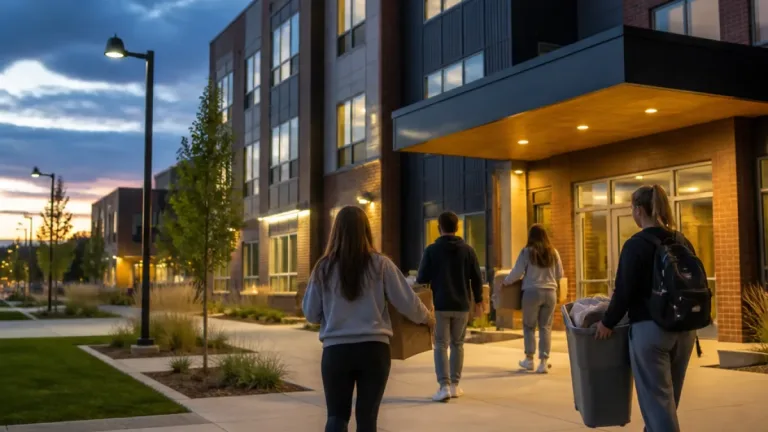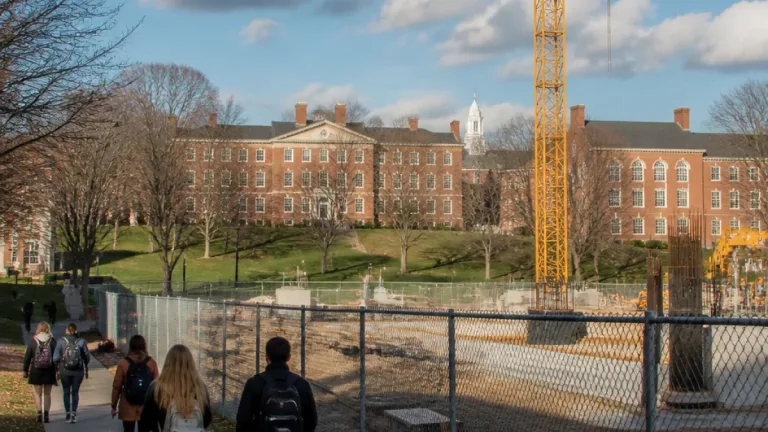
Where students live at Colgate University affects more than the distance between their front door and the classroom. Housing can shape who students meet, where they study, how often they eat with friends and whether they have a quiet place to work.
The Colgate Maroon interviewed three students about their living arrangements: two who live in campus residence halls and one who lives in an off-campus townhouse. Their experiences showed how different housing settings can create different routines, even for students attending the same university.
Residence halls can make social connections easier
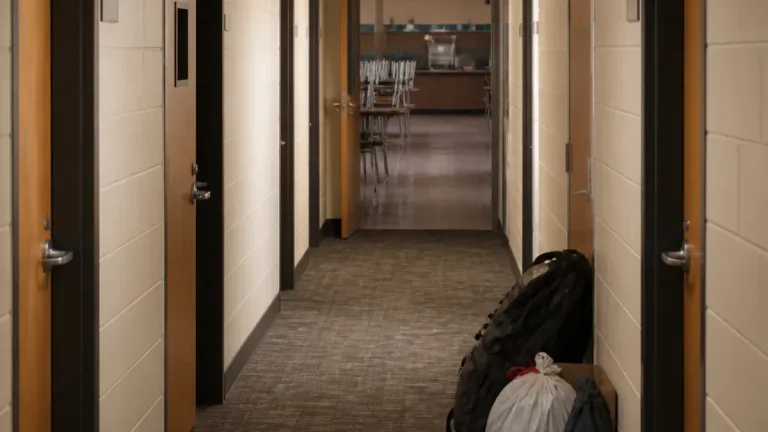
Students who lived in residence halls described the buildings as important places for forming friendships. Shared hallways, nearby rooms and informal activities helped residents meet people during their first year. One student said many of their closest friendships began with people who lived on the same floor or in the same building.
Students also described how those relationships can continue after residents move to different parts of campus. A current West Hall resident said connections with former neighbors remained strong even after friends moved into other residence halls. Activities with nearby residents also helped build community within the building.
Location changes how students study
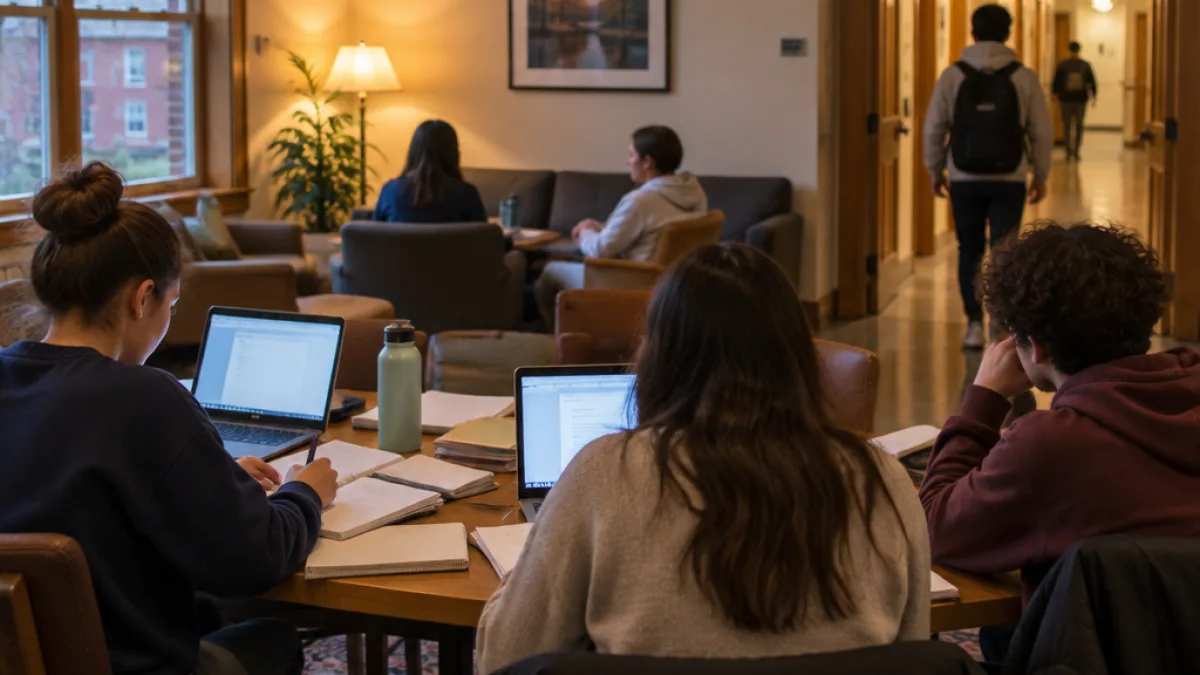
Housing location also influenced students’ academic habits. One student living in a suite-style building on Broad Street used a common room and the fifth floor of Case-Geyer Library for studying. The building offered private space, including an individual bedroom, but its distance from academic buildings and the library made it harder for that student to concentrate at home.
Another student said most schoolwork happened in the bedroom, with additional studying in dining halls. That arrangement combined meals and coursework and provided a routine shaped by the student’s immediate surroundings. A roommate with strong academic habits also helped maintain focus.
- Residence halls: Shared spaces can support friendships and regular contact with neighbors.
- Off-campus housing: Private rooms and common areas can provide more separation from campus while adding distance from academic buildings.
- Study routines: Students use bedrooms, residence-hall common rooms, dining halls and the library for different kinds of academic work.
The students’ accounts show that housing decisions involve more than room size or the walk to class. The building’s location, the people living nearby and the amount of private or shared space can all become part of students’ daily academic and social lives.