
The general election is Nov. 3, but many Americans — including college students and young adults — are already casting ballots through early in-person voting or by mail. Rules vary by state, so the most important step is to check your state’s election website for registration, deadline and ballot-return requirements.
check your registration and deadlines
Each state sets its own dates and rules for registering and for requesting or returning mail ballots. Some states allow registration up to and on Election Day; others require registration weeks earlier. If you are unsure whether you are registered, or whether your address on file is current, consult your state’s secretary of state or election office website.
voting by mail: request, return and track
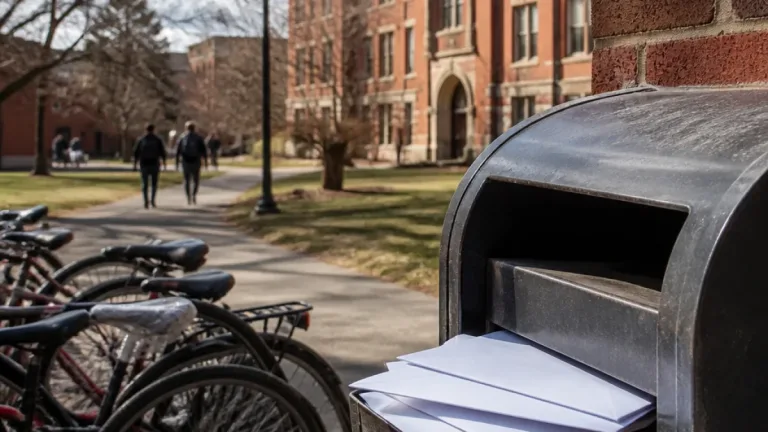
If you plan to vote by mail, verify whether the deadline to request a ballot has passed in your state. After you receive a ballot, follow the instructions carefully. Many states offer ballot-tracking tools that let you confirm your ballot was received and counted. Some jurisdictions also notify voters if there is a problem with a returned ballot and provide a chance to fix or “cure” it before it is rejected.
voting in person: where, when and what to bring
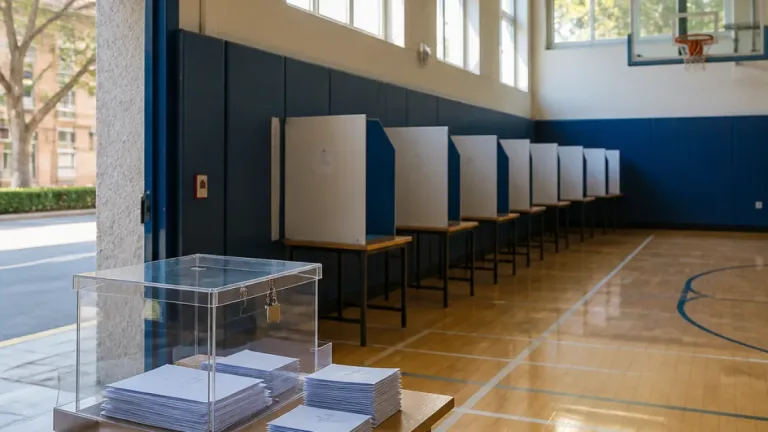
Polling places may have moved since the last election, so find your assigned location before you go. Know whether your state requires identification to vote. Expect possible waits: high turnout and staffing shortages can produce long lines, and advocacy groups advise allowing extra time.
What to do if there is a problem at the polling place
- If you are in line when the polls close, you have the right to vote — remain in line.
- If you make a mistake filling out a ballot, you may be able to request a new one; procedures differ by state.
- If a voting machine is not working, you can request a paper ballot where permitted.
where to get authoritative information
State election websites, typically run by the secretary of state, list registration deadlines, polling places, ID rules, absentee or mail-ballot instructions and ballot-tracking links. Voting-rights organizations also publish guides to voters’ rights and steps to take if problems arise at the polls.
With substantial variation across jurisdictions, checking official state resources and acting before local deadlines remain the clearest way for students and other voters to ensure their ballots are counted in the Nov. 3 election.