Many students arrive on campus ready for classes but surprised by the financial decisions that come with college life, from smaller-than-expected paychecks to the risks of sharing personal information online, according to TD Bank’s financial education team.
“College can bring a new level of financial responsibility, whether students are managing money independently for the first time or simply making more decisions on their own,” said Mandy Kelso, Head of Financial Education, TD Bank U.S.
Build a simple budget and track spending
TD Bank recommends starting with a basic budget that lists monthly income and fixed expenses, then tracking daily spending to see where money actually goes. The bank’s materials advise students to keep budgets simple and adjust them over time rather than aiming for perfection up front.
- Track income and expenses: record paychecks, subscriptions, food and transport costs to identify adjustable items.
- Use direct deposit: TD notes direct deposit makes paychecks easier to monitor and can help students avoid delays in getting paid.
Prepare for smaller first paychecks
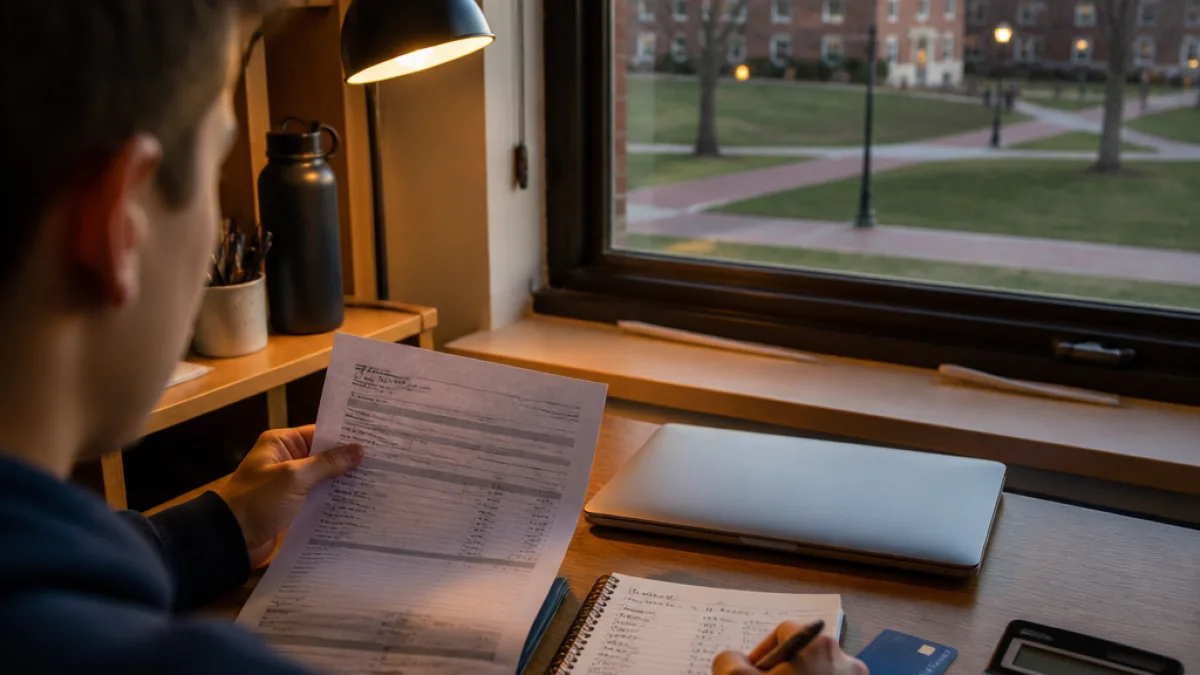
First paychecks from work-study, campus jobs or internships may be smaller than students expect, the guidance says. Factors such as taxes, withholding and pay-period timing commonly reduce the amount that appears in a bank account. TD suggests students review pay stubs closely to understand gross pay, deductions and net pay.
Learn credit basics and practice responsible habits
TD encourages students who use credit to pay on time, keep balances low and understand fees and interest rates. The bank frames responsible credit use as a way to build a financial history that could help with future milestones such as renting an apartment or qualifying for loans.
- Pay on time: on-time payments are a major factor in credit histories and scores.
- Watch balances: keeping utilization low can help maintain better credit metrics.
Guard personal information and watch for scams
Students should protect themselves from fraud and identity theft by using strong passwords, enabling privacy settings and being cautious about what they share on social media, TD advises. Scams that target students often exploit unfamiliarity with financial systems and urgency in requests for information.
The bank also recommends checking account statements regularly and using alerts when available, so questionable transactions or unauthorized access can be spotted quickly.
Build habits, not perfection
Kelso emphasized that financial confidence grows from habits rather than knowing every answer immediately. TD’s guidance encourages incremental steps: create a budget, review a pay stub, set up direct deposit, learn one aspect of credit and adopt basic online safety measures.
These are educational recommendations from a financial institution’s consumer-education team; they are not guaranteed solutions and students with complex situations may want to consult a trusted, qualified adviser for personalized help.