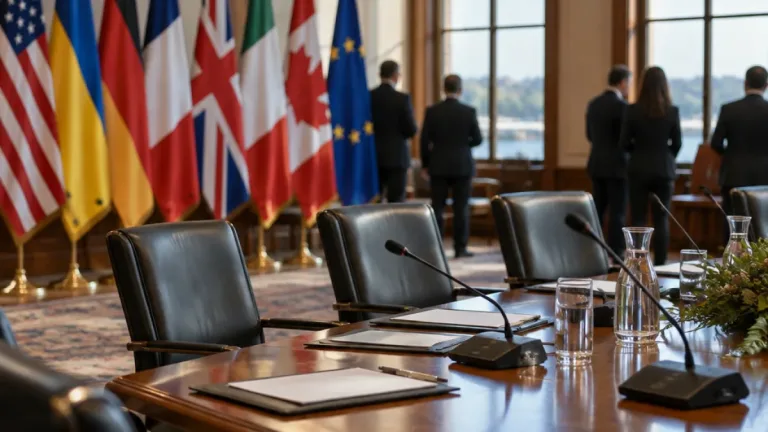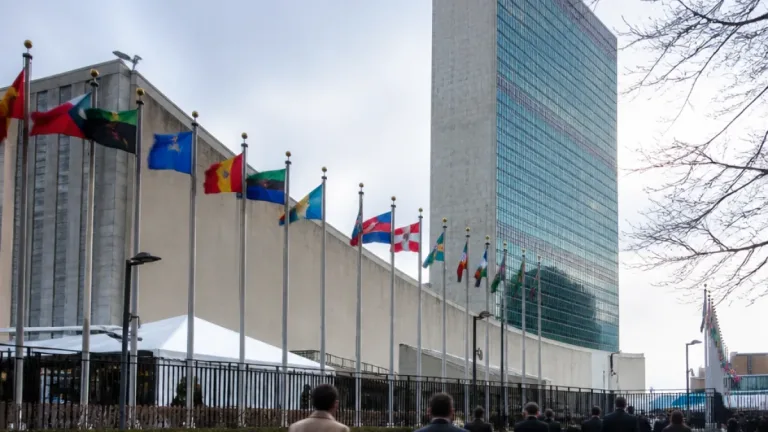
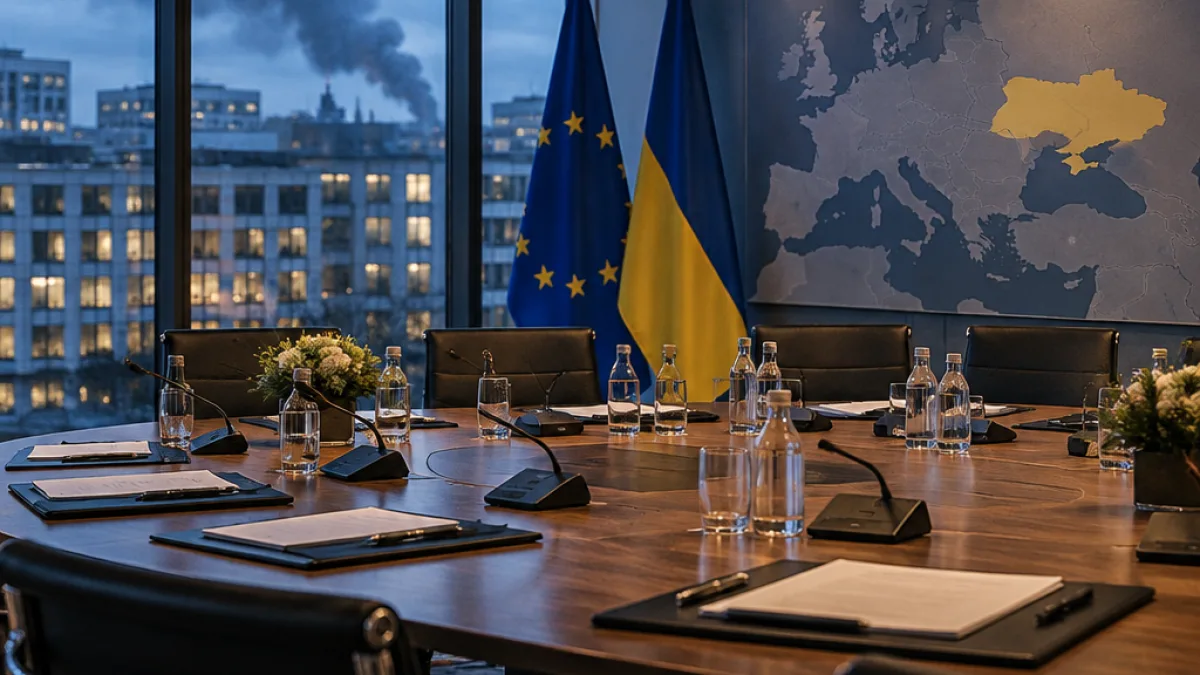
European Union governments accused Russia on Monday of prolonging negotiations over the war in Ukraine while continuing attacks on power plants and other infrastructure as winter approaches. EU foreign ministers meeting in Brussels said the immediate priority was a ceasefire followed by a durable peace agreement. They also approved sanctions against nearly 50 Russian banks and financial institutions.
The new measures also target businesspeople connected to Russia’s energy sector and oil and petroleum trade. The EU imposed asset freezes and travel bans on dozens of other people accused of spreading pro-Russian propaganda and disinformation.
EU officials call for a ceasefire
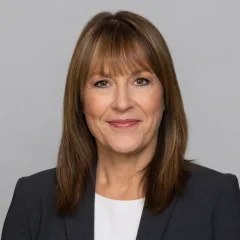
Kaja Kallas, the EU’s foreign policy chief, said the bloc had not seen the ceasefire it considers necessary for negotiations to advance. She said Russia was escalating attacks instead of moving toward an agreement.
“Let's not blur the picture right now. What we need to see is a ceasefire.”
Kallas said Russia began the nearly five-year war and should withdraw rather than make additional demands of Ukraine and countries supporting it. EU officials described Ukraine as the victim of the conflict and Russia as the aggressor.
German Foreign Minister Johann Wadephul said European countries already have a security structure and should focus on compliance with existing arrangements. His comments followed negotiations in Abu Dhabi last week, where the United States encouraged Ukraine and its supporters to consider a Russian proposal for a new security framework for Europe.
Dispute over Russia’s security proposal
European officials said the proposal could require NATO to move troops and equipment westward to positions similar to those held before the Czech Republic, Hungary and Poland joined the alliance in 1999. Kallas called that demand unacceptable and said the countries that joined NATO had not attacked Russia.
Wadephul said:
“Europe has a security architecture – we don't need a new one, we just need respect from everyone for the existing security architecture.”
EU foreign ministers said Russia should accept a ceasefire rather than seek conditions that would alter Europe’s broader security arrangements. Their position came as diplomatic efforts continued after the Abu Dhabi talks ended without a major breakthrough, although Russia and Ukraine agreed to a large prisoner exchange.
Sanctions and winter pressure
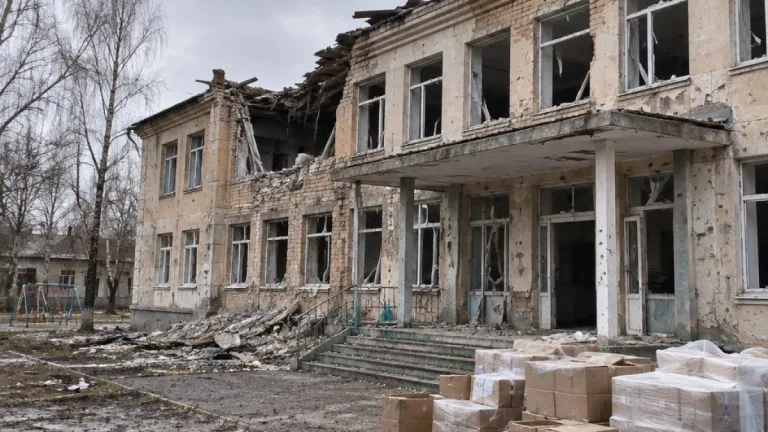
The ministers linked the diplomatic dispute to conditions facing Ukrainian civilians. They accused Russia of attacking power plants and other infrastructure in an effort to make daily life more difficult as temperatures fall.
- Nearly 50 Russian banks and financial institutions were sanctioned.
- Businesspeople tied to the energy sector and oil and petroleum trade were targeted.
- Dozens of people accused of spreading pro-Russian propaganda and disinformation faced asset freezes and travel bans.
The EU said its diplomatic priority remained a ceasefire and a peace agreement. Kallas said the negotiations should not obscure responsibility for the war or allow new Russian demands to replace an immediate halt to fighting.