Leaders across Europe and neighbouring capitals offered congratulations and calls for reform after Serbia’s Student List won a parliamentary majority in the Oct. 25 election, bringing an end to 14 years of dominance by the Serbian Progressive Party.
European Union backs reforms and integration
European Commission President Ursula von der Leyen congratulated the Student List and pledged the European Union’s assistance for changes she listed as priorities: strengthening the rule of law, protecting media freedom, fighting corruption and bolstering democratic institutions. Marta Kf6s, the commissioner responsible for enlargement, highlighted unusually high turnout and framed the outcome as an opening for deeper ties with the bloc.
The statement above was made by Kremlin spokesman Dmitry Peskov as Moscow reacted to the election, urging Serbia’s incoming leaders to preserve cooperation with Russia despite the change in government. The Kremlin comment underscored Moscow’s concern about the potential direction of Belgrade’s foreign policy following the upset.
Neighbouring states and European institutions respond
- European Council President António Costa and European Parliament President Roberta Metsola also issued congratulations; Metsola reaffirmed the Parliament’s readiness to support Serbia’s reform agenda and European integration.
- Alain Berset, secretary general of the Council of Europe, welcomed the peaceful transfer and Vučić’s acceptance of defeat, and said the organisation stands ready to work with Serbia’s elected leadership on human rights and the rule of law.
- Leaders in neighbouring capitals offered cautious optimism: Montenegro’s prime minister and president said the result created an opportunity for constructive cooperation, and Croatia’s prime minister expressed willingness to improve relations.
The Student List’s apparent win gives it a clear majority in Serbia’s 250‑seat parliament, with preliminary estimates indicating it will hold roughly 135 to 140 seats, compared with about 105 for the coalition led by outgoing leader Aleksandar Vučić. A majority requires 126 seats.
Washington, Kyiv and Moscow react
Responses outside Europe reflected wider geopolitical interests. Ukraine’s president, Volodymyr Zelensky, welcomed the election as a fresh chapter for Serbia and said Kyiv was prepared to expand cooperation. Washington and other Western capitals noted the vote as significant for Serbia’s democratic trajectory. Moscow’s appeal for continued ties with Belgrade highlighted the strategic importance Russia attaches to the relationship, given Serbia’s long-standing refusal under Vučić to join Western sanctions over Russia’s war in Ukraine even while pursuing EU membership.
The Student List had said before the vote that it would continue to reject sanctions on Russia, citing Serbia’s historical experience with restrictive measures; however, foreign‑policy positions could be a subject of negotiation as the new government forms and sets priorities for its international agenda.
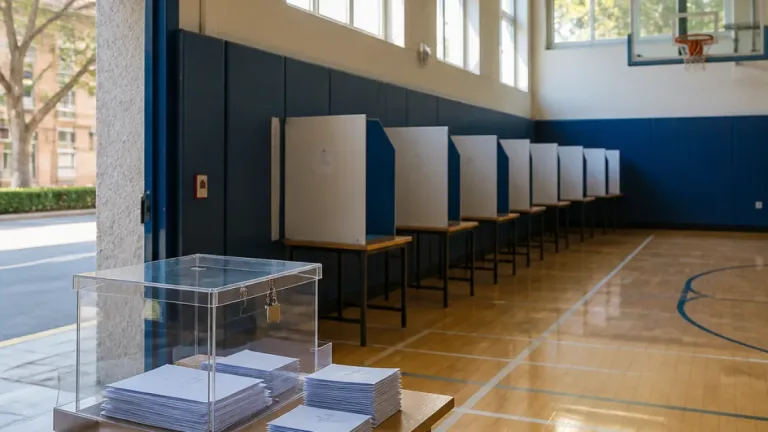
Election officials reported a high turnout, which European officials said underscored the legitimacy of the results and created a mandate for the incoming majority to pursue promised reforms.