A large 2026 study of college students found that spending time with other people in person was the strongest predictor of students’ overall well-being, researchers reported. The team analyzed responses from 79,246 students across the United States and Canada and compared dozens of possible influences on flourishing, including sleep, exercise, substance use, financial stress and screen time.
What the researchers measured
The research team examined 51 different aspects of students’ lives and used statistical methods that allowed them to compare many predictors simultaneously. That approach let the researchers identify which factors were most strongly associated with a composite measure of flourishing that incorporated both the absence of psychological distress and positive elements such as supportive relationships, hobbies and a sense of meaning.
- Sample size: 79,246 college students in the U.S. and Canada.
- Measures examined: 51 aspects of life, from sleep quality and exercise to discrimination and how students spent free time.
- Main finding: Face-to-face time with friends and other people was the single strongest predictor of flourishing.
Researchers highlighted that the finding is notable against a backdrop of declining in-person contact among young people. Citing national survey trends, the study notes that the share of U.S. high school seniors who reported seeing friends face-to-face almost every day fell from 44% in 2010 to 32% in 2022.
Why this matters for student mental health
Mental-health challenges among young people remain a public-health concern. The study’s authors pointed to broader data showing suicide is the second-leading cause of death for Americans ages 15 to 34. The research reframes the question of student mental health by asking what supports flourishing — not only what reduces illness — and finds ordinary, everyday social contact plays a central role.
The authors did not claim causation; they reported associations identified through their analytic methods. They also emphasized that flourishing includes positive aspects of life, such as meaningful relationships and hobbies, rather than only the absence of symptoms.
Practical context for campus communities
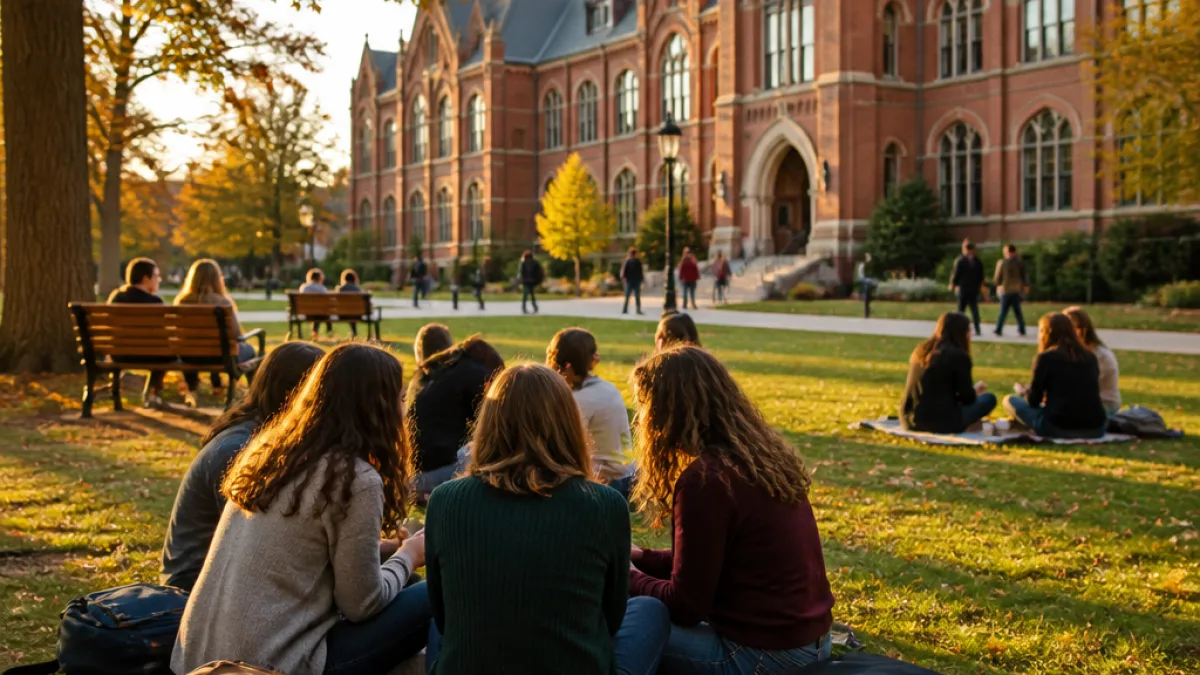
The findings may inform how colleges and student-health services prioritize programs and outreach. By focusing on opportunities for students to spend time together in person — through clubs, group activities, study sessions and informal gatherings — campuses may support aspects of well-being that statistical analyses linked most strongly to flourishing.
| Measure | Figure |
|---|---|
| Students surveyed | 79,246 |
| Aspects of life examined | 51 |
| High school seniors seeing friends daily, 2010 | 44% |
| High school seniors seeing friends daily, 2022 | 32% |
The study’s scope — nearly 80,000 respondents and dozens of variables — provides a broad view of student life across campuses. The authors reported six factors that emerged as most important in their models, with in-person social time the top predictor. The research underscores the importance of social connection as a correlate of well-being among students but does not replace individualized care or clinical assessment for students with mental-health needs.