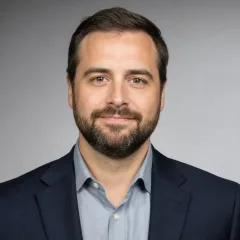
Pete Buttigieg said Democrats went too far in pursuing broad student loan forgiveness but continued to support efforts to help future students leave college without debt.
Buttigieg, a former transportation secretary, discussed the issue on the Pod Save America podcast in an episode released Sunday, Nov. 15. His comments came less than two weeks after Democrats won control of the House and Senate, with student loans expected to be among the early education issues considered by the new Congress.
“I think… we really overtorqued on the student loan thing.” — Pete Buttigieg
Buttigieg said his disagreement centered on forgiving existing balances for broad groups of borrowers. He described the issue as one of fairness for people who did not attend college and therefore did not take out education loans.
“As a party, I have a very hard time explaining to my relatives in Michigan who did not go to college why they should be paying for people who do.” — Pete Buttigieg
What Buttigieg supports
Buttigieg did not reject the goal of making college more affordable. He said he supports approaches that allow students to complete college without borrowing heavily, rather than using a universal solution for people who have already taken out loans.
“I believe there are ways to make sure that you come out of college debt-free,” he said. “I don’t believe in like a magic wand to fix that for everybody who borrowed money.” — Pete Buttigieg
His position comes as the leading student-loan proposals described in the coverage focus on the cost of borrowing and the amount students may take out, rather than on a new broad cancellation program. Those proposals include changes involving interest rates, borrowing caps and Pell Grants.
- Public Service Loan Forgiveness remains available under existing rules for eligible borrowers.
- Income-based repayment forgiveness remains part of the current student-loan system.
- Buttigieg’s comments do not change the terms of existing federal loan programs.
The scale of student debt
Americans owe about $1.866 trillion in student loans. Census Bureau data for 2024 show that 37.1% of men and 40.1% of women age 25 and older had earned at least a bachelor’s degree.
Those figures frame the policy debate Buttigieg addressed: college attendance is common enough to make affordability a major issue, while a large share of adults did not complete a four-year degree and may not have borrowed for one. The proposals currently described for Congress address how students finance college and how much they borrow, while Buttigieg’s comments reject a broad forgiveness approach for existing borrowers.