Anjolen, a cybersecurity firm based in Utica, is helping organizations around the world prepare for technology failures and potential cyberattacks. The company’s work includes responding to incidents, reviewing security controls and guiding crisis teams through simulated emergencies.
Michelle Tuttle, Anjolen’s vice president of client relations and business development, said the firm has been monitoring several recent disruptions that affected services involving email, air travel and banking. The outages drew attention to how quickly a technical problem can affect large numbers of people, even when there is no evidence of a cyberattack.
“We do a lot of incident response. We do what's called tabletop exercise, which are simulations of an actual cyber event and walking a crisis team through that.” — Michelle Tuttle, vice president of client relations and business development at Anjolen
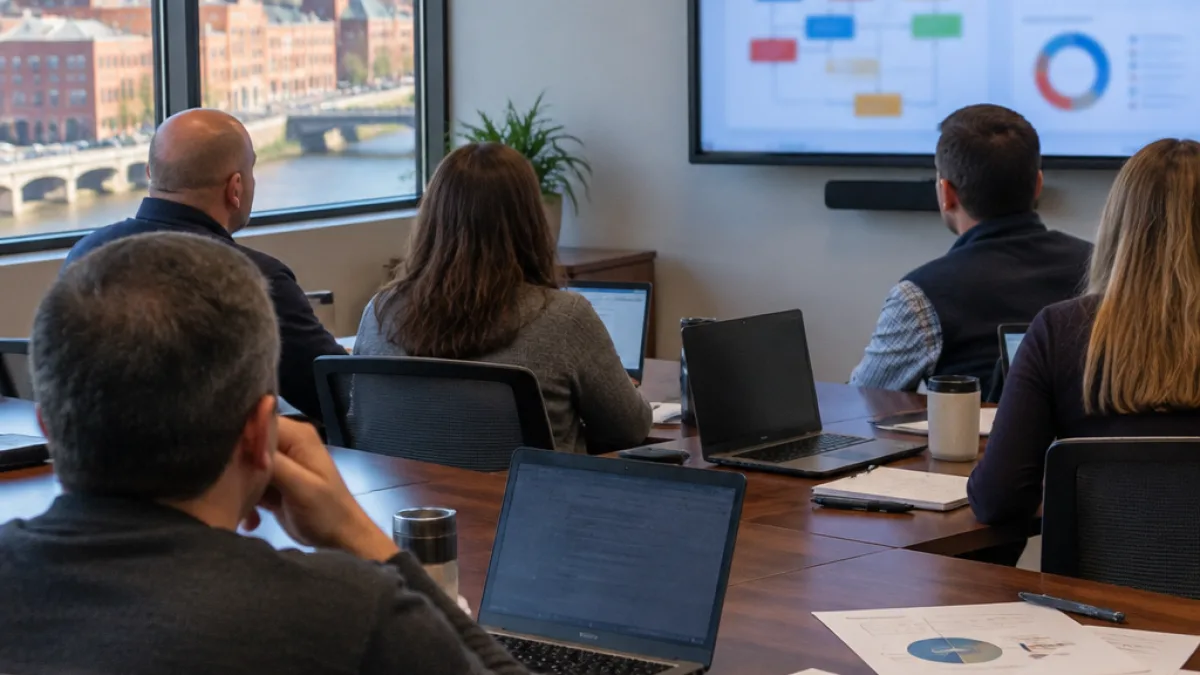
Tuttle said Anjolen’s tabletop exercises bring a crisis team through a simulated cyber event. The sessions are designed to help an organization identify its responsibilities, review its procedures and practice making decisions during a disruption.
Separating technical failures from cyberattacks
Recent national outages have illustrated why that distinction matters. The Federal Aviation Administration attributed a nationwide ground stop to a failed router. Microsoft said a global outage was caused by a bug that had been present for months. Marriott said an outage affecting its systems was not related to cybersecurity, and the secretary of state said the recent incidents were not connected.
Tuttle said the first question during a major outage is often whether an attacker is responsible. Anjolen’s staff considered that possibility while following the public information about the disruptions, but the information released at the time did not identify them as cyberattacks.
For Anjolen’s clients, the preparation process includes several areas:
- Risk identification: Organizations examine the threats that could affect their operations.
- Controls and safeguards: Teams review policies, procedures and other protections.
- Planning: Crisis teams practice how they would respond to a cyber event.
- Awareness: Organizations assess who is using their technology, how it is being used and what it is being used for.
Tuttle also said the company does not view artificial intelligence as something organizations should avoid. She described AI as another new technology that requires education, preparation and safeguards. In that approach, organizations can use emerging tools while establishing checks and balances around how they are deployed.
From its Utica office, Anjolen works with clients internationally on incident response and cybersecurity planning. Its staff’s role includes helping organizations understand their risks before a disruption occurs and preparing crisis teams to respond when systems fail or come under attack.